Exhibition

Vazio Contido / Contained Emptiness

ZIPPER Galeria — São Paulo, 2013

There is ample metaphysis in not thinking at all.

Alberto Caeiro

Vazio Contido / Contained Emptiness

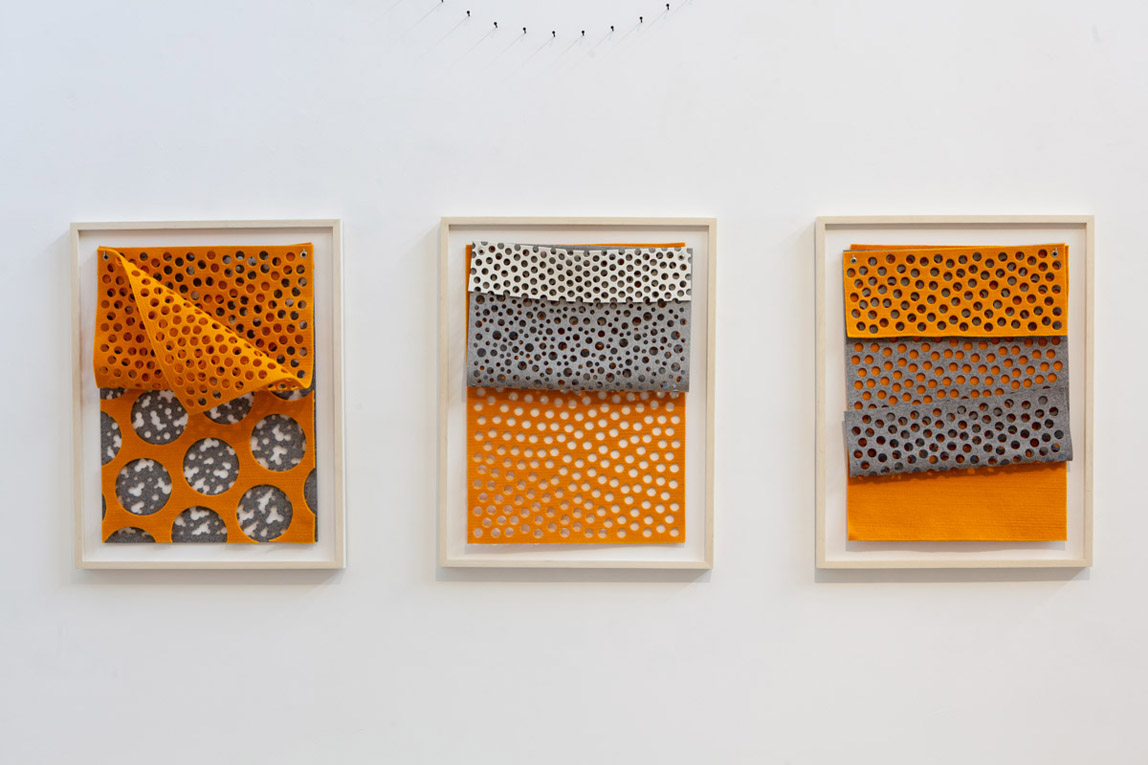
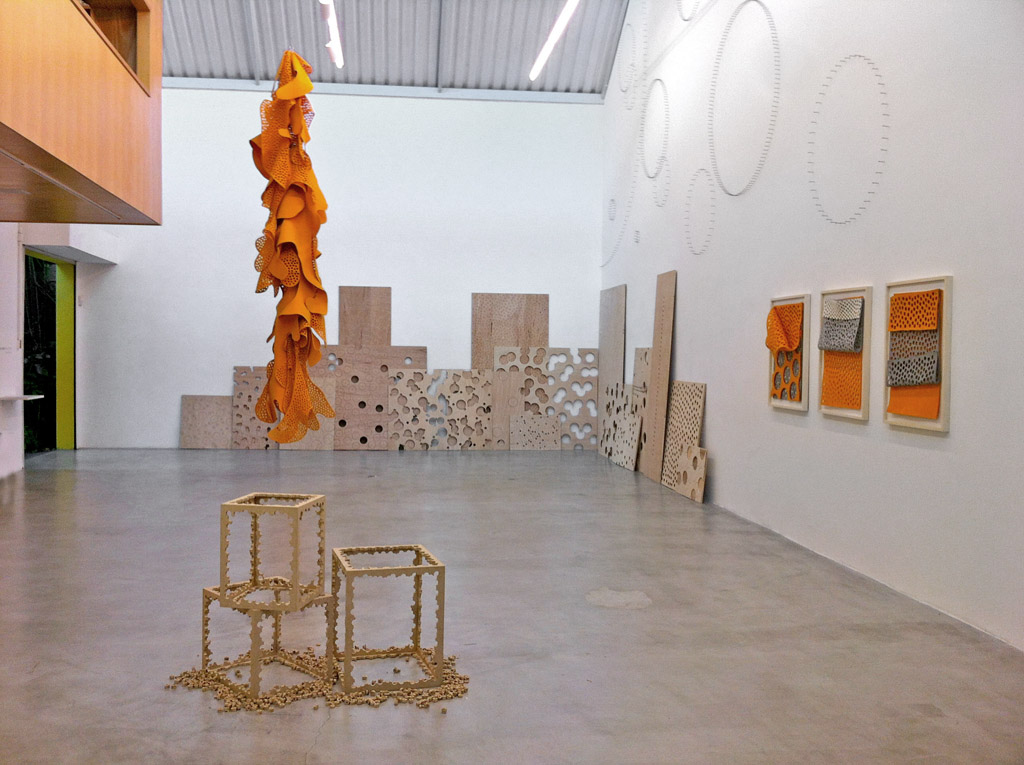
Beyond the material dimension of the object, one expects a work of art to bear a conceptual substrata, an immaterial content that lifts us from the plane of objects; an expectation inherited from the notion of an object of art as an object of worship, as something acting as a bridge between the world of phenomena and a supposed world of ideas. Ricardo Rendon's first solo exhibition in Brazil tackles this demand for transcendence impinged upon artwork, emphasising the presence of emptiness precisely in the matter. The exhibition brings to us an accumulation of voids.

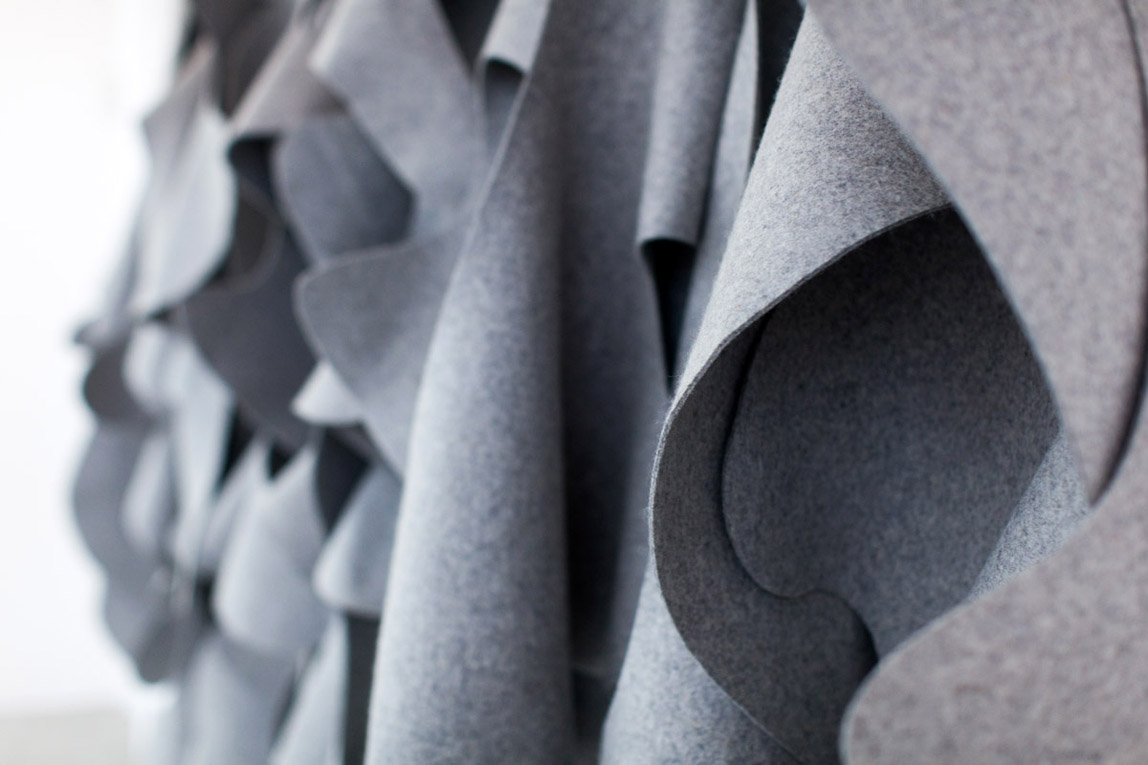
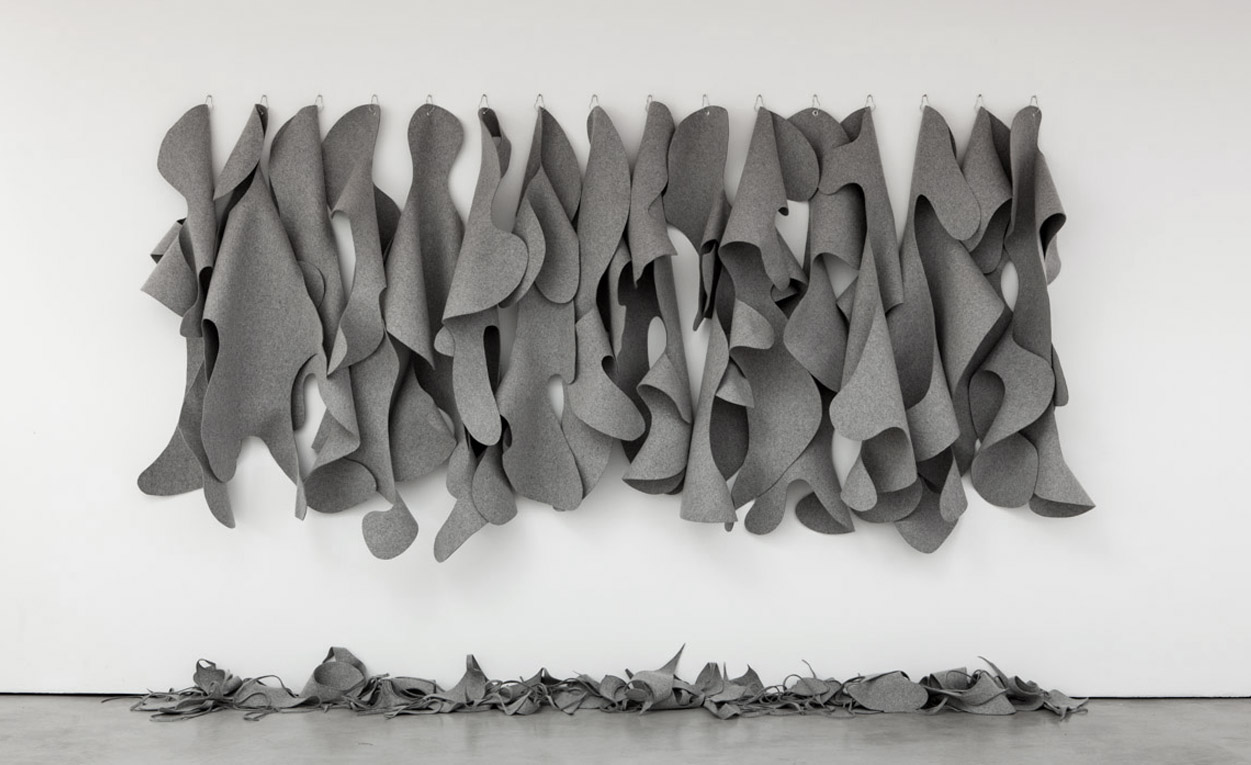
"There is ample metaphysis in not thinking at all", wrote Alberto Caeiro. And Rendon demonstrates the metaphysics of things in the things themselves, with their voids that fail to leave this world, fail to search for explanations in anything beyond that which can be seen and touched, anything beyond the softness of the wool felt, the material in Rendon's works that seems to absorb the sound of the words of the Keeper of Sheep. It is within the work, in that which can be seen and touched, and in its process of creation, that the thought generated by the work remains, not outside it.

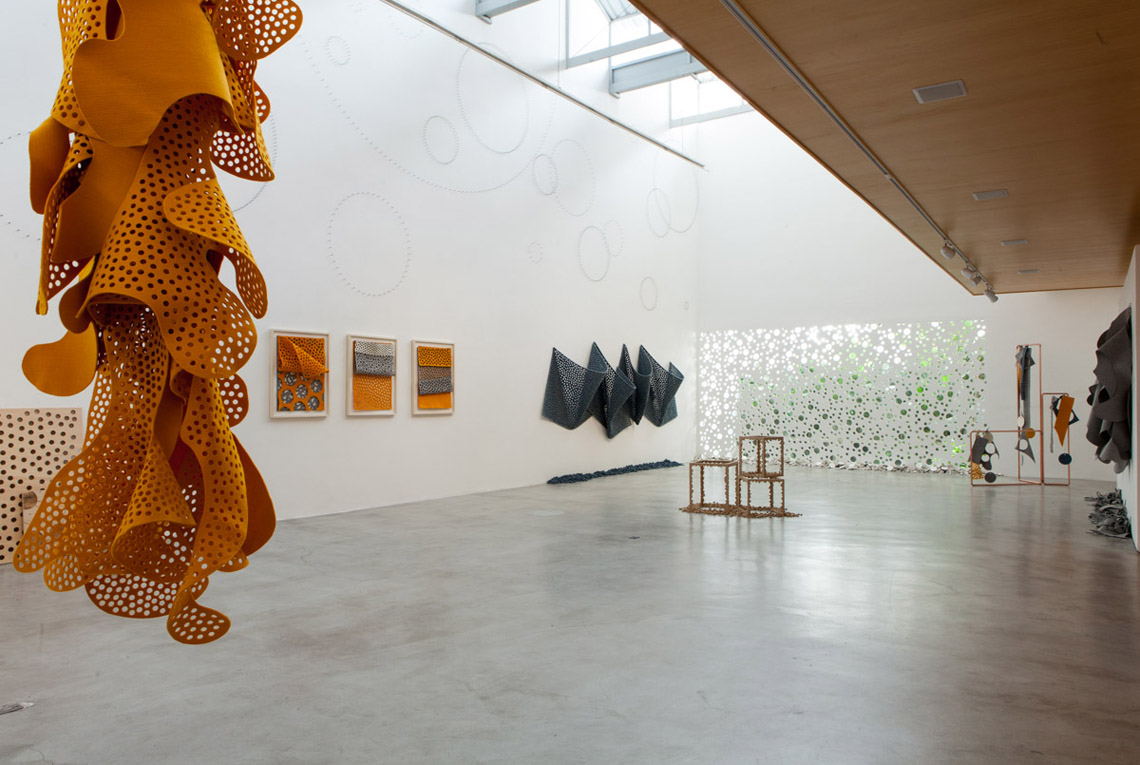
As given in the exhibition title, chosen by the artist, the emptiness is contained both as being under control, accepted as part of existence, and as being content of the exhibition. What we see in the works assembled at the Zipper gallery is the emptiness contained in each piece, missing parts of the tissue structuring the work, the active emptiness, outlining the shape of things, like an immanent power, generator of things that exist here, and only exist thanks to the emptiness.

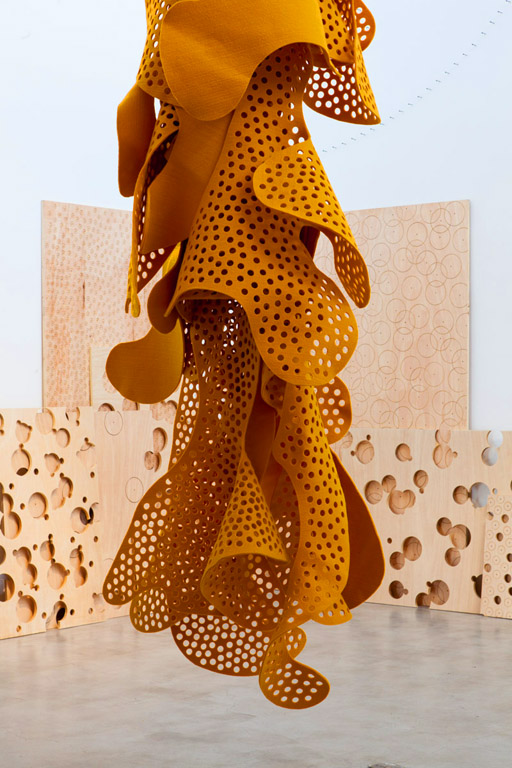
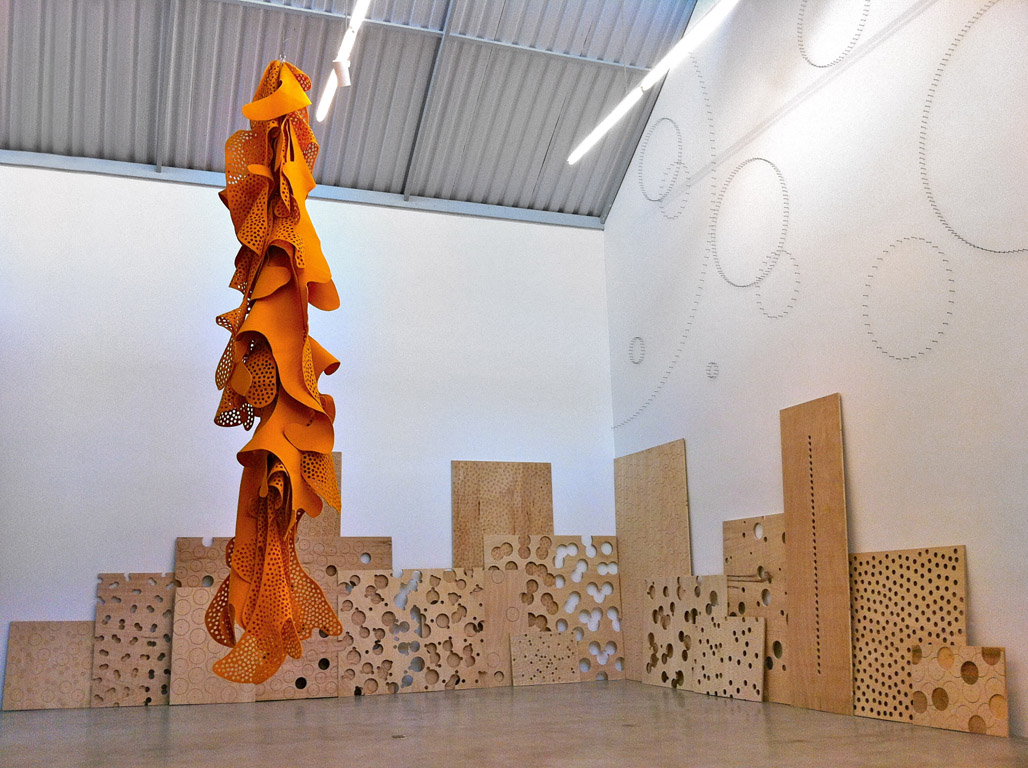
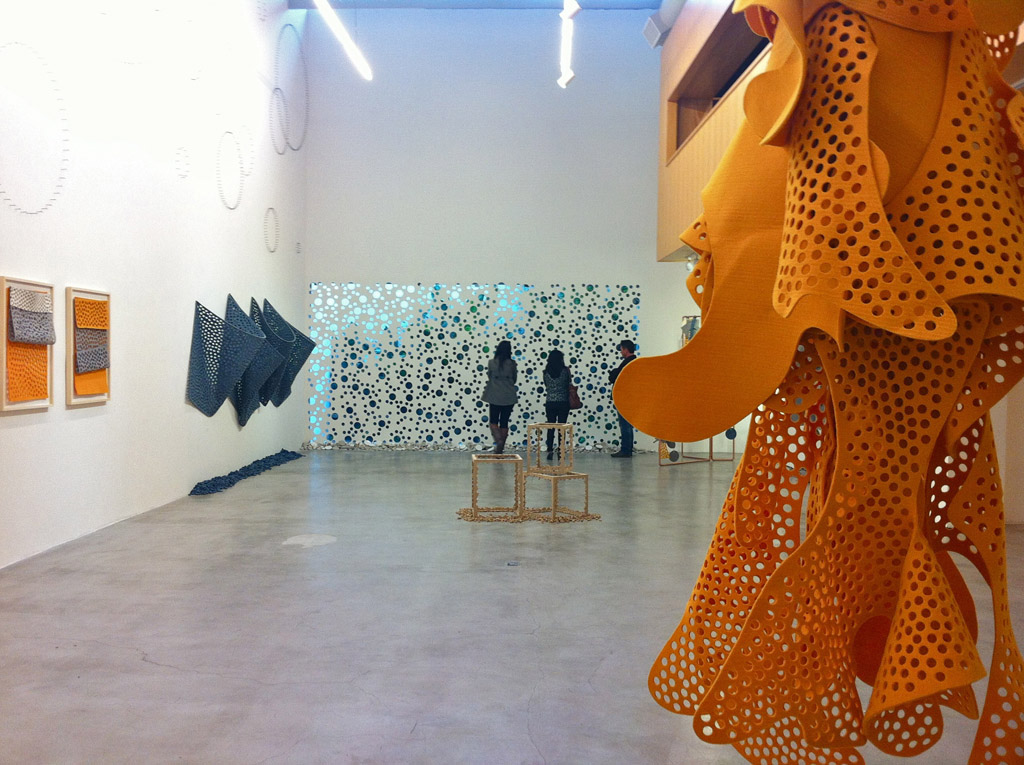
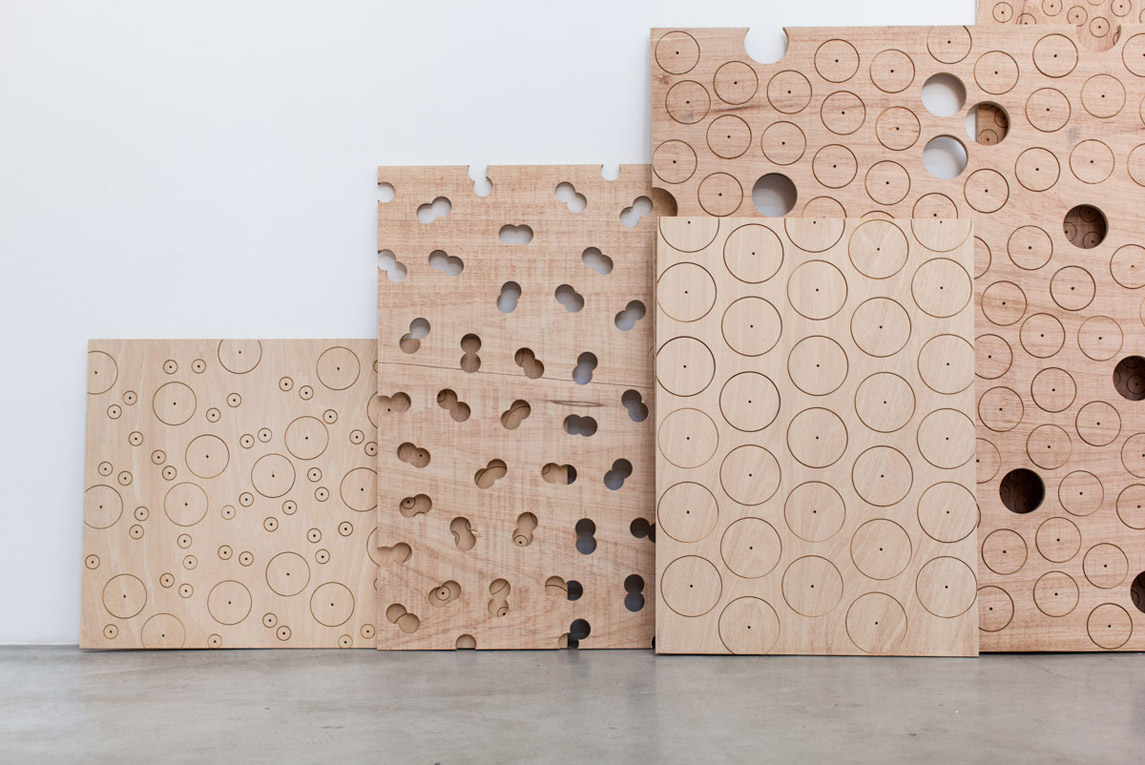
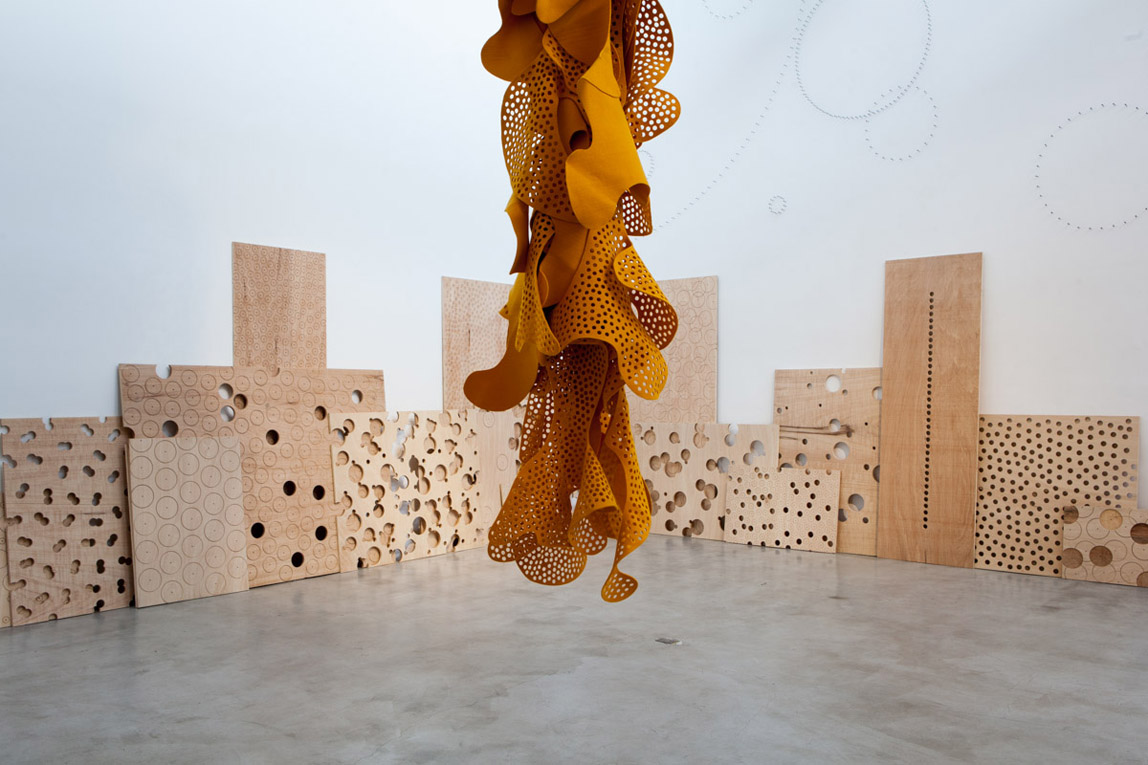
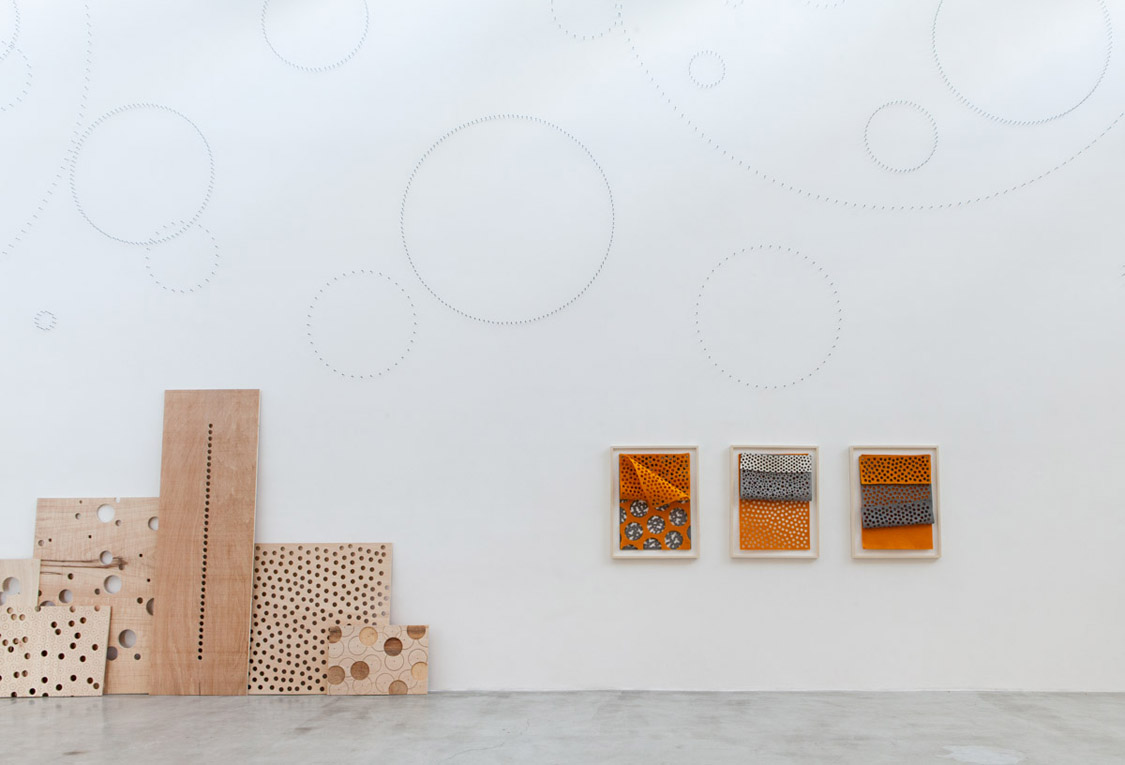
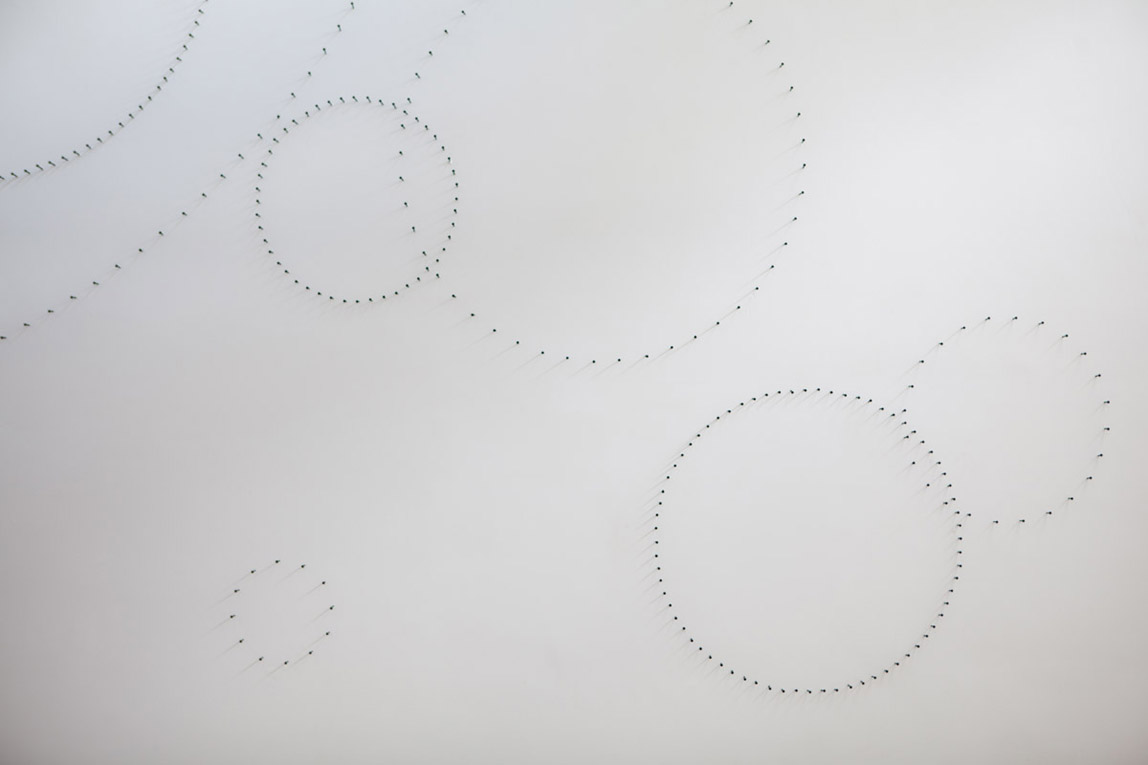
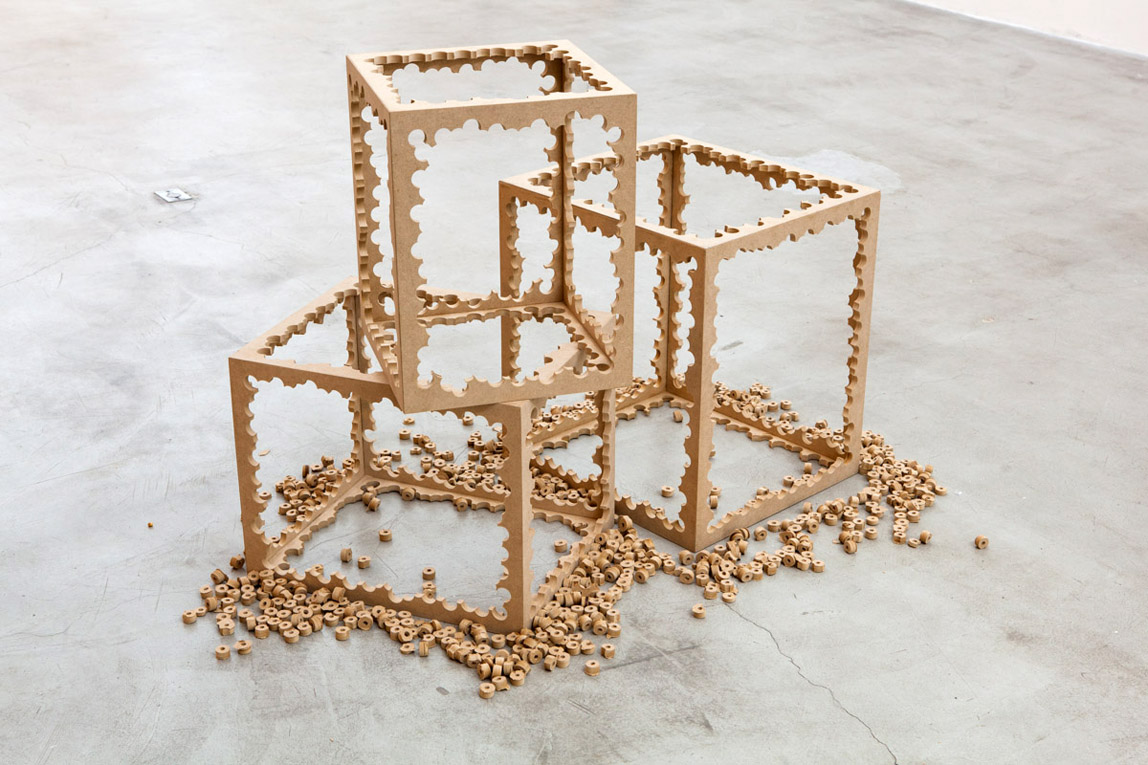
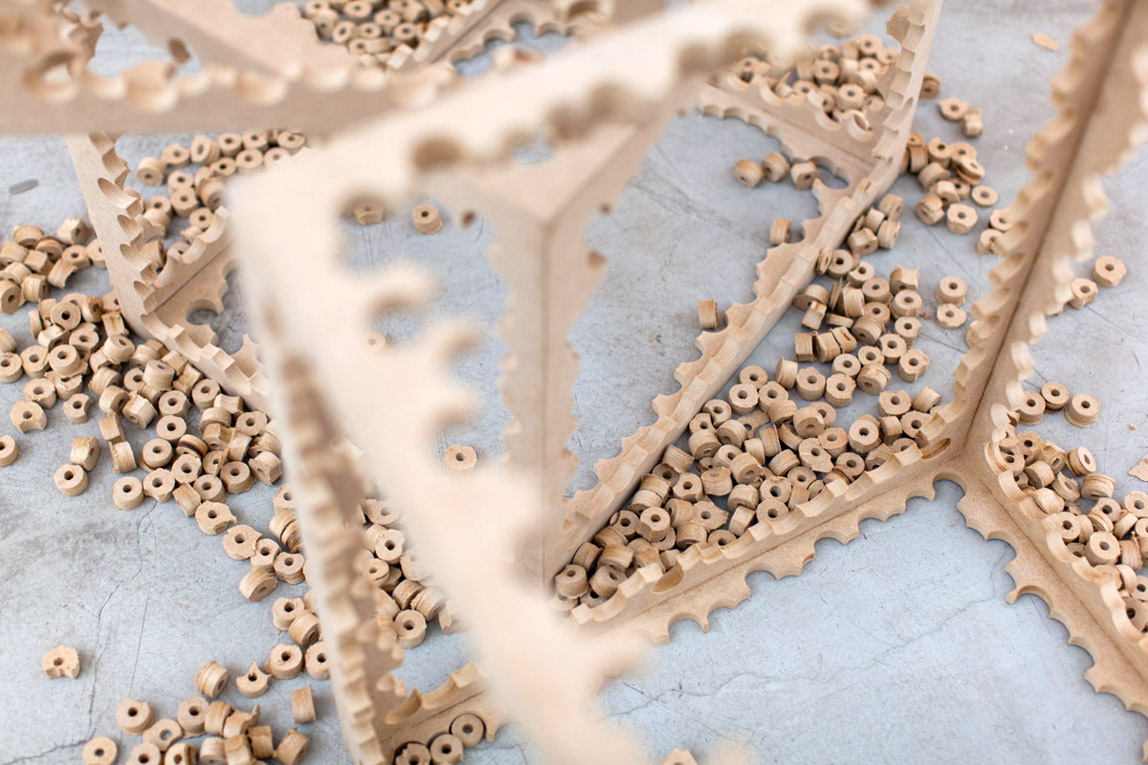
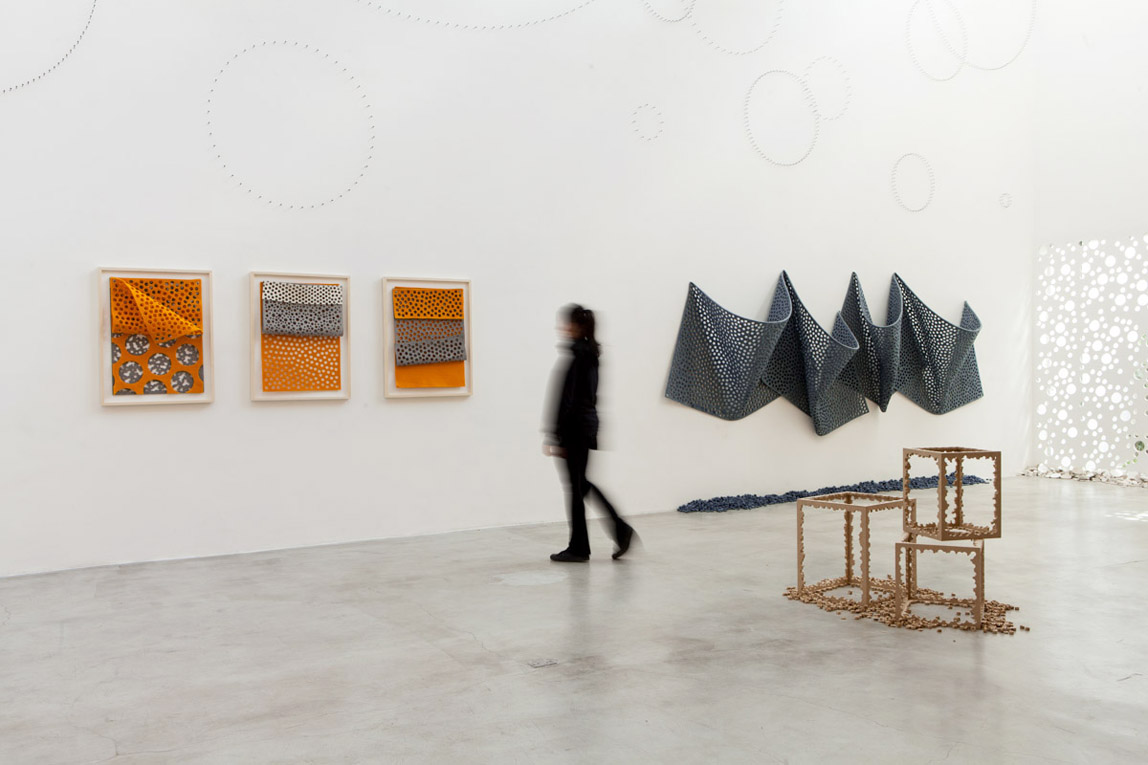
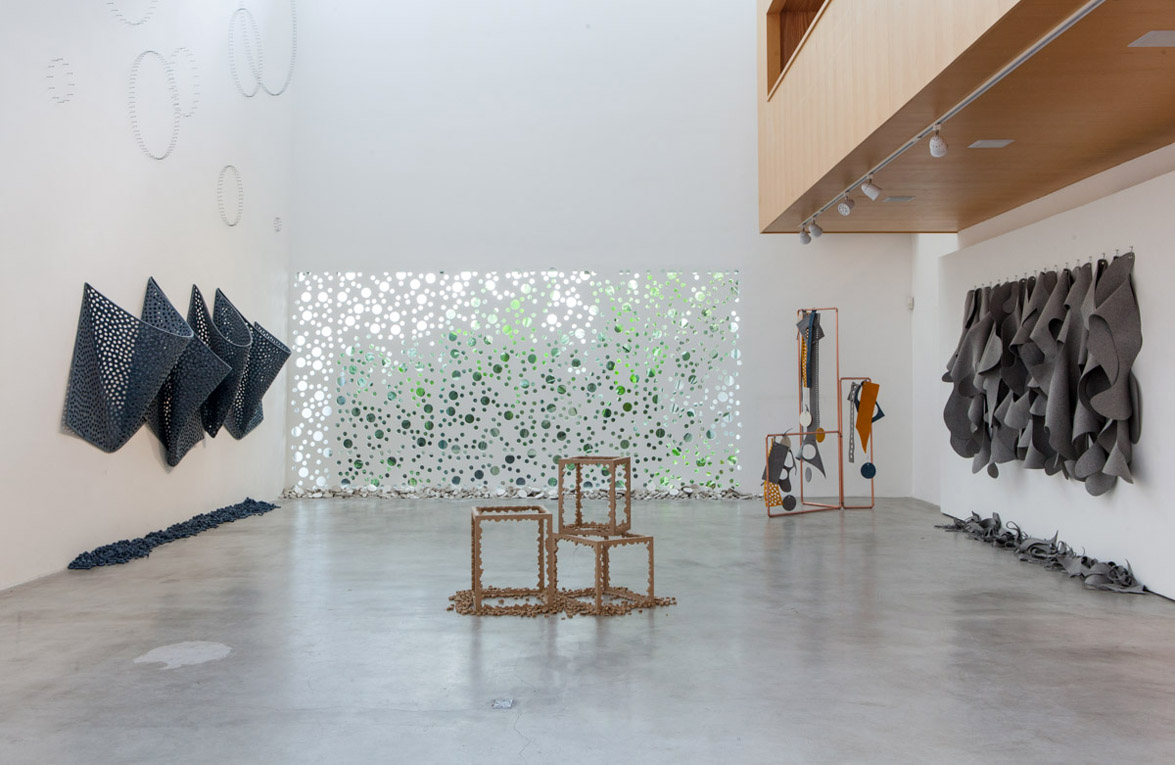
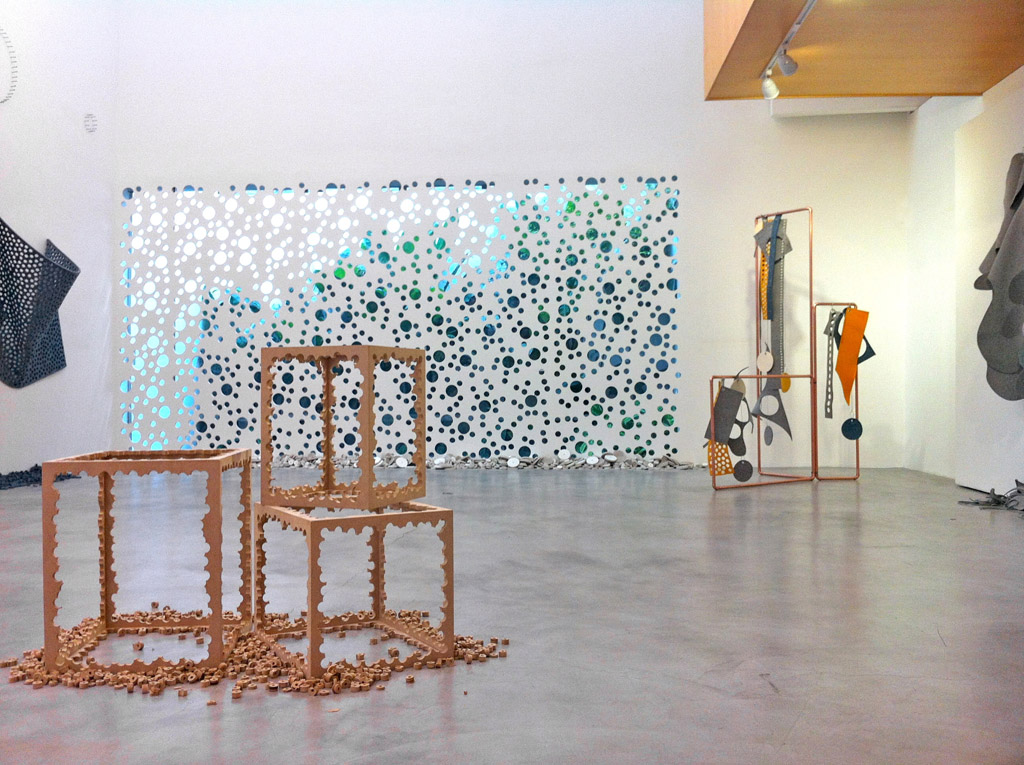
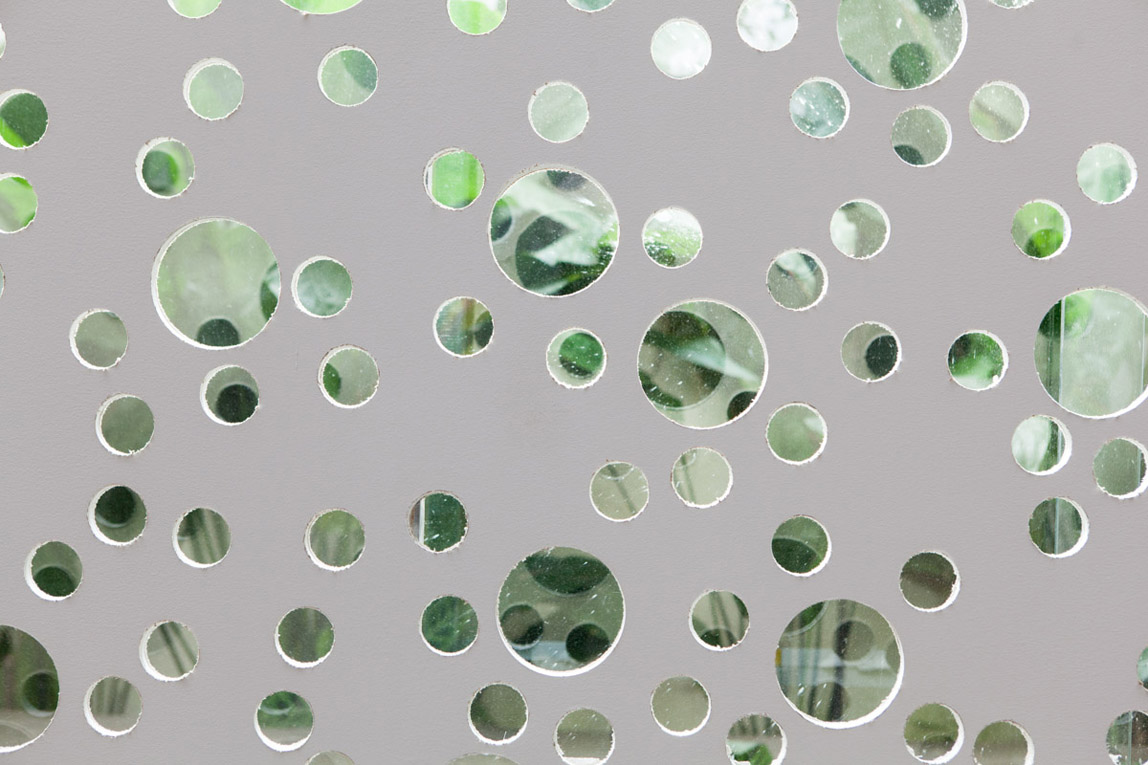
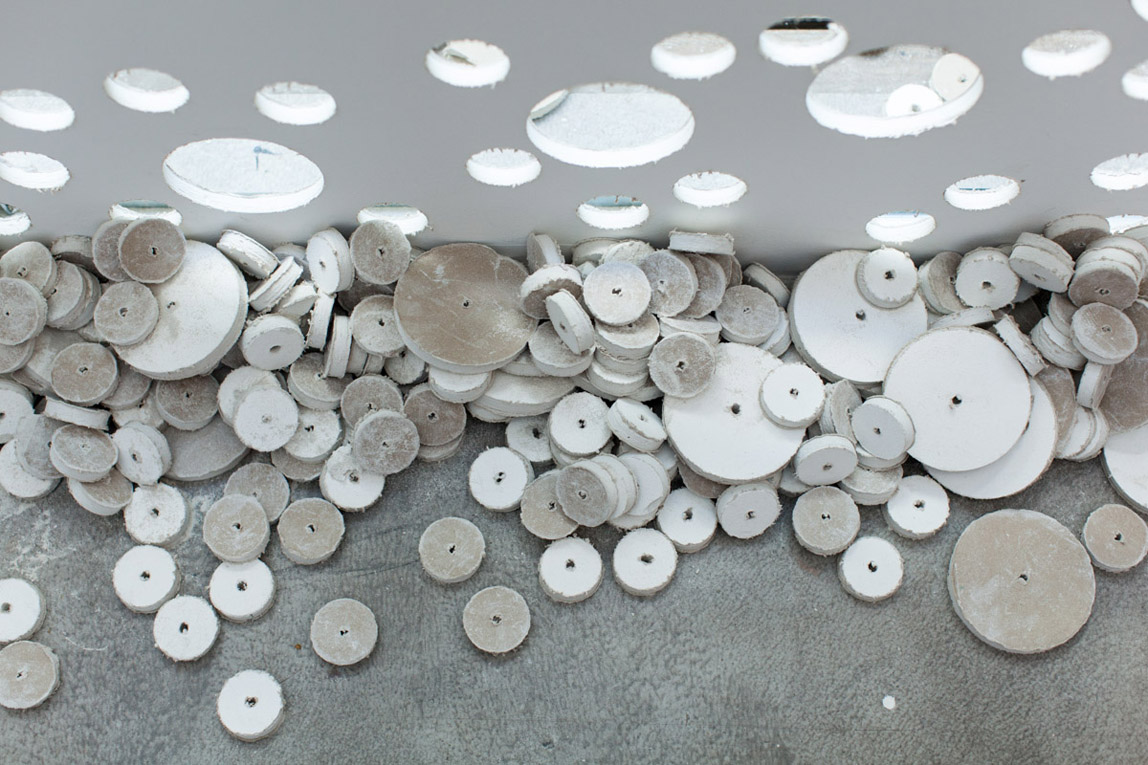
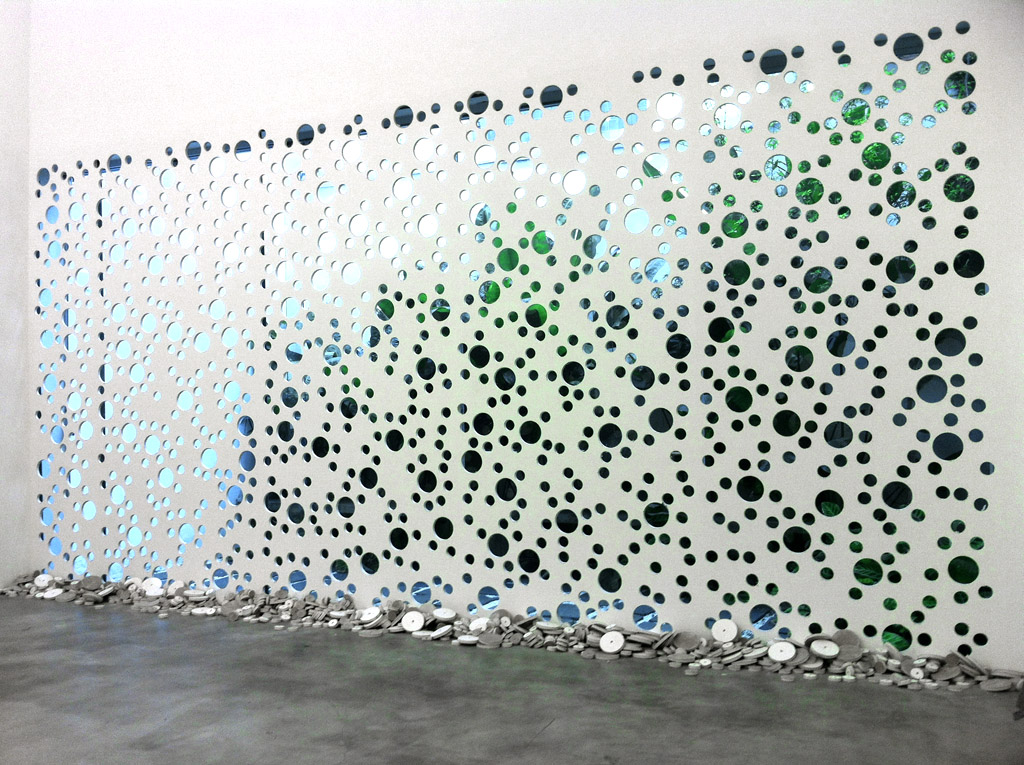
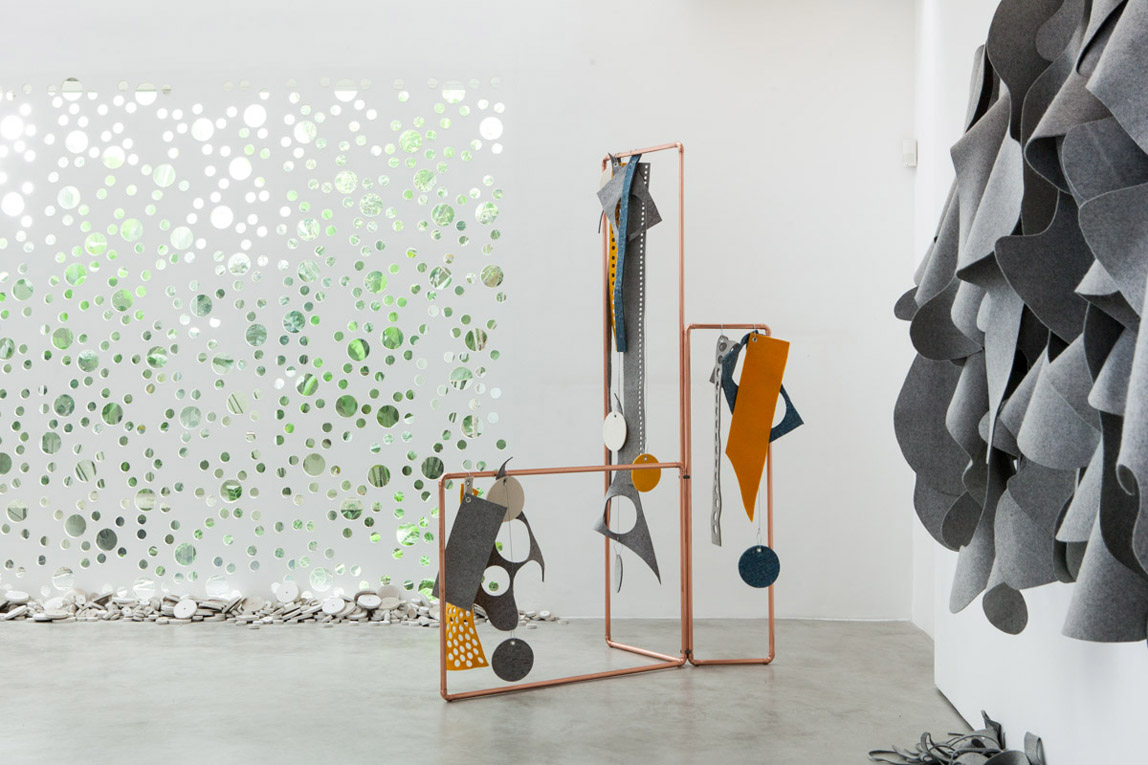
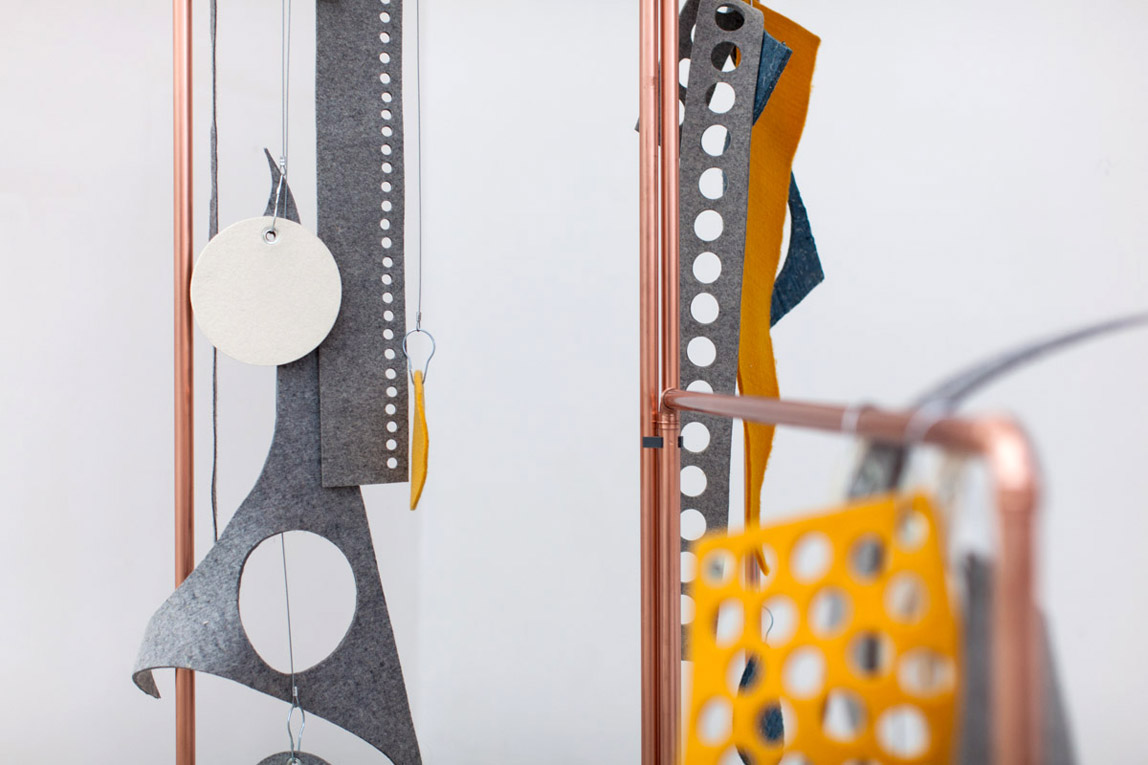
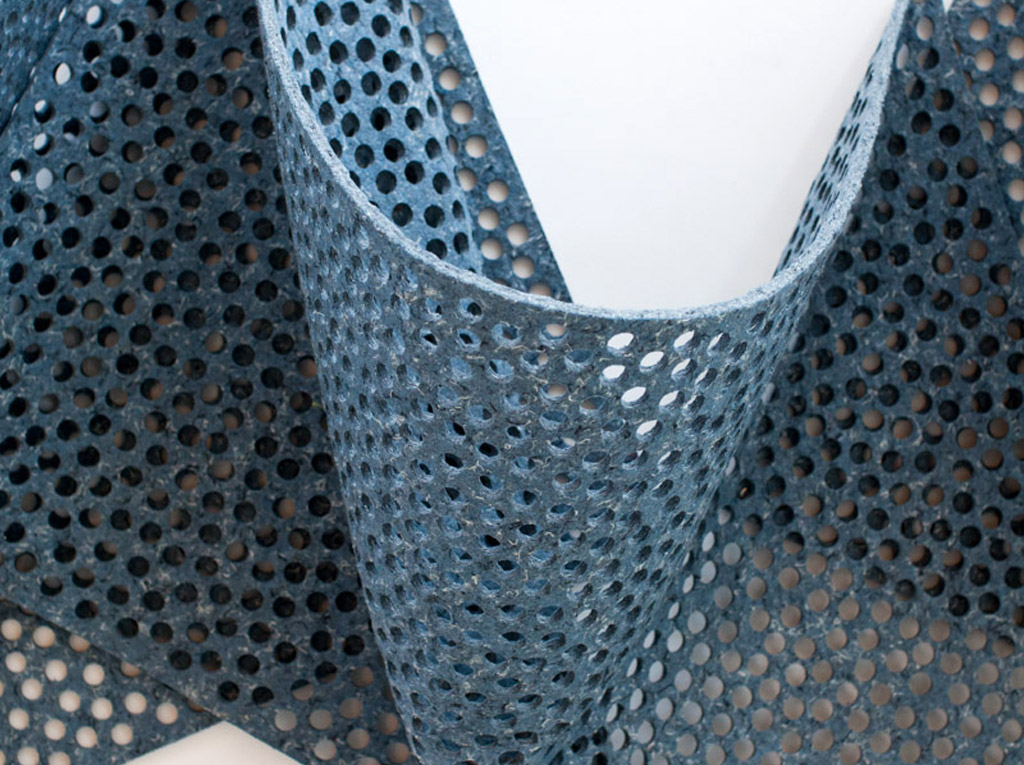
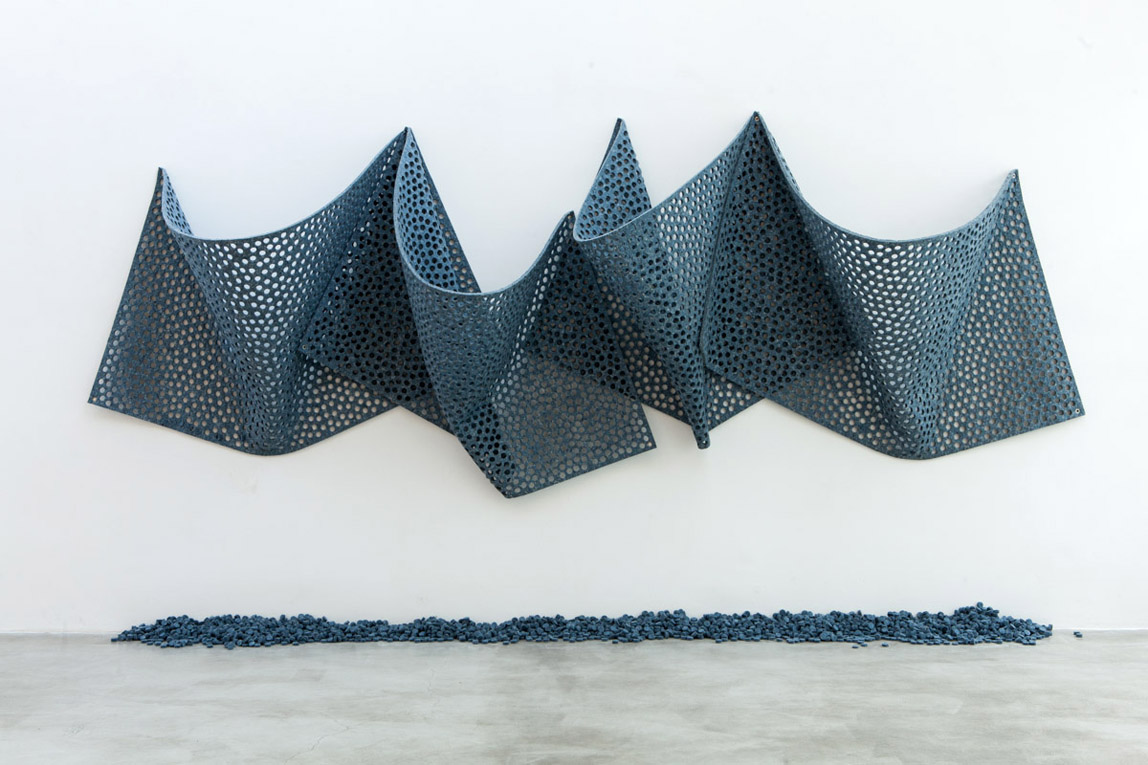
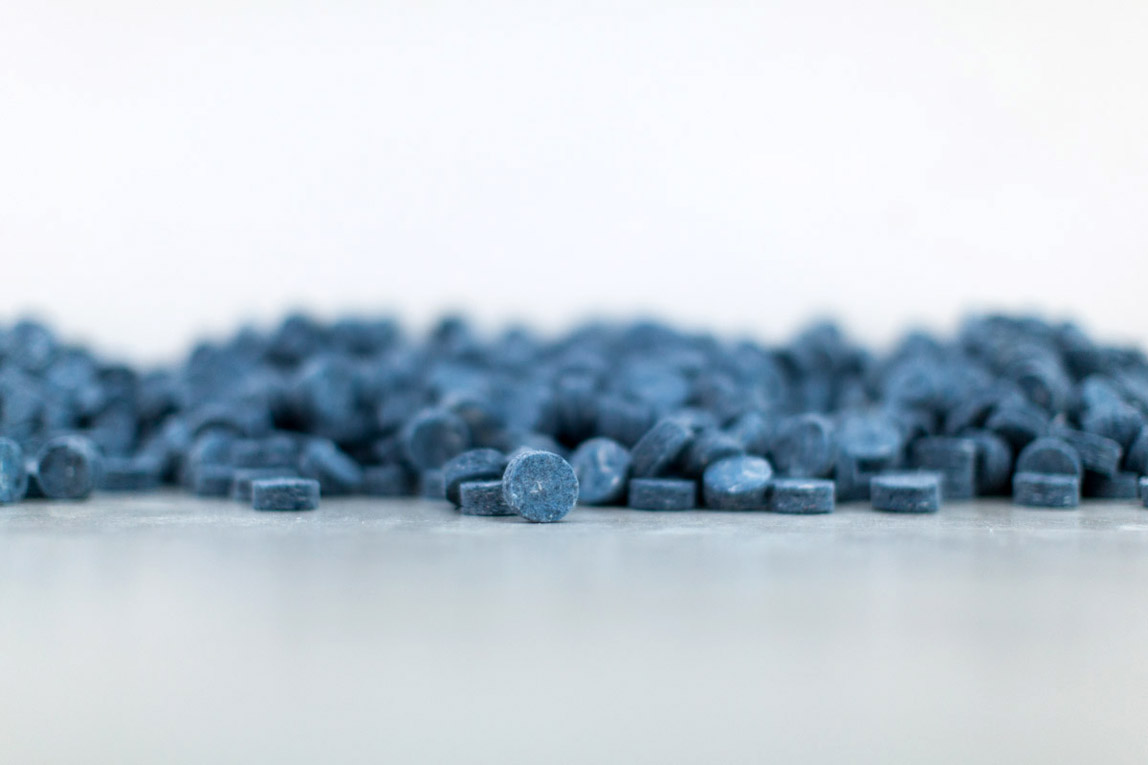
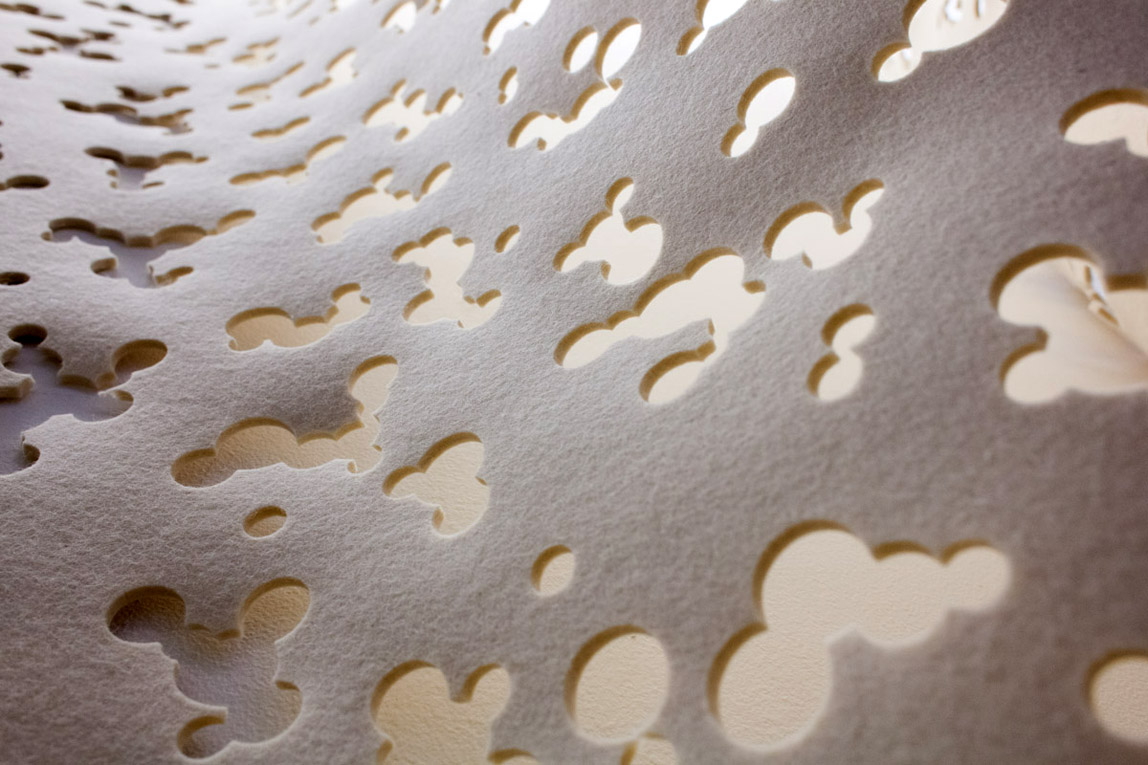
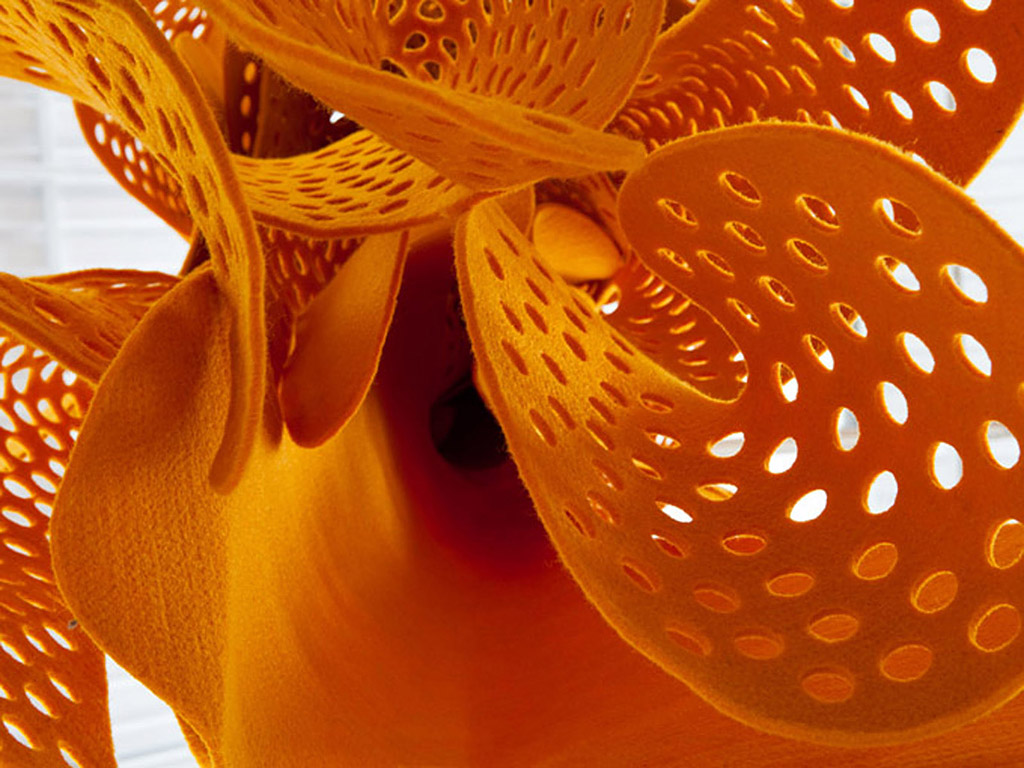
A profusion of voids are spread around the gallery, some formed regularly in the felt, others giving way for light to pass through the wood, then voids that cut out gracious curves in what would otherwise be a monotonous straight line, voids that need not be filled, matter that is made more malleable by the voids, and that gives itself to being folded in several forms, revealing its potential multiplicity, engaged by the voids. None of the works attempt to fill the emptiness, none of them want to reinsert the little discs of material scattered on the floor. What is of concern is the creation of the emptiness and by the emptiness; a construction that originates from cutting. To fill in the emptiness would be to kill the work. To accept it is to establish a respectful relationship with the material, worshipping the mysteries of that which can be seen and touched, understanding that to live is to worship life as it is presented:

Thus, each of Ricardo Rendon's works acts as stimulus for the senses – with the silent softness of the felt and forms that delight though eye-pleasing ornaments - and also as a machine for thinking about the absences that frame everything that lives. Each of those forms only exists thanks to its emptiness. Without the emptiness, they would be heavy, inflexible rectangular cloths, wooden sheets that block the passage of light and air, self-enclosed boxes. There is ample immaterial content in not scorning the material.

Curator: Paula Braga
Photos: Gui Gomes www.guigomes.com.br

Más allá de la dimensión material del objeto, se espera que una obra de arte porte un substrato conceptual, un contenido inmaterial que nos eleve del plano de los objetos; una expectativa heredada de la noción de objeto de arte como objeto de culto, como algo que actúa como puente entre el mundo de los fenómenos y un supuesto mundo de las ideas. La primera exposición individual de Ricardo Rendón en Brasil aborda esta exigencia de trascendencia impuesta a la obra de arte, enfatizando la presencia del vacío precisamente en la materia. La exposición nos trae una acumulación de vacíos.

«Hay amplia metafísica en no pensar en nada», escribió Alberto Caeiro. Y Rendón demuestra la metafísica de las cosas en las cosas mismas, con sus vacíos que no logran abandonar este mundo, que no buscan explicaciones en nada más allá de lo que puede verse y tocarse, nada más allá de la suavidad del fieltro de lana, el material en las obras de Rendón que parece absorber el sonido de las palabras del Guardador de Rebanhos. Es dentro de la obra, en aquello que puede verse y tocarse, y en su proceso de creación, donde permanece el pensamiento generado por la obra, no fuera de ella.

Como indica el título de la exposición, elegido por el artista, el vacío está contenido tanto como algo controlado, aceptado como parte de la existencia, como como contenido de la exposición. Lo que vemos en las obras reunidas en la galería Zipper es el vacío contenido en cada pieza, las partes faltantes del tejido que estructura la obra, el vacío activo, delineando la forma de las cosas, como un poder inmanente, generador de cosas que existen aquí, y que solo existen gracias al vacío.

Una profusión de vacíos se extiende por la galería, algunos formados regularmente en el fieltro, otros dando paso a la luz a través de la madera, luego vacíos que recortan graciosas curvas en lo que de otro modo sería una monótona línea recta, vacíos que no necesitan ser llenados, materia que se vuelve más maleable por los vacíos, y que se entrega a ser plegada en varias formas, revelando su multiplicidad potencial, comprometida por los vacíos. Ninguna de las obras intenta llenar el vacío, ninguna quiere reinsertar los pequeños discos de material esparcidos por el piso. Lo que importa es la creación del vacío y por el vacío; una construcción que se origina en el corte. Llenar el vacío sería matar la obra. Aceptarlo es establecer una relación respetuosa con el material, adorando los misterios de aquello que puede verse y tocarse, entendiendo que vivir es adorar la vida tal como se presenta:

Así, cada una de las obras de Ricardo Rendón actúa como estímulo para los sentidos – con la suave silenciosidad del fieltro y formas que deleitan como ornamentos agradables a la vista – y también como una máquina para pensar sobre las ausencias que enmarcan todo lo que vive. Cada una de esas formas solo existe gracias a su vacío. Sin el vacío, serían paños rectangulares pesados e inflexibles, láminas de madera que bloquean el paso de la luz y el aire, cajas autoencerradas. Hay amplio contenido inmaterial en no desdeñar lo material.

Texto: Paula Braga, Curadora
Fotos: Gui Gomes www.guigomes.com.br

Works in the Exhibition

Enquiries

For information about this exhibition or the works presented, please contact ZIPPER Galeria.

enquire about this exhibition